
Search Michigan Booking Reports
Michigan booking reports are public records held by sheriff's offices in all 83 counties. These reports show arrest details, charges, and jail intake data for people booked into county jails across the state. You can search for booking reports online through state tools like OTIS and ICHAT, or contact your local county sheriff's office directly. Most booking records in Michigan fall under the Freedom of Information Act, which gives the public a right to request them. Use the search box below to get started, or browse by county or city to find local resources for the booking reports you need.
Michigan Booking Reports Overview
Michigan Booking Reports on OTIS
OTIS stands for the Offender Tracking Information System. The Michigan Department of Corrections runs it. This free database lets you search for prisoners, parolees, and people on probation across the state. You can look up records by last name, MDOC number, or even by scars and tattoos. Results show the person's full name, date of birth, offense details, sentence length, and current facility. OTIS also lists projected release dates when they are set. Records stay in the system for three years after someone finishes their supervision period. After that window closes, the record drops off.
The OTIS search page is one of the most used booking report tools in Michigan. It pulls up a lot of data in one place. But it has gaps you should know about. OTIS does not cover county jail inmates at all. It only tracks people in the state corrections system. If someone got arrested and is sitting in a local county jail waiting for trial, OTIS will not show them. You need the county sheriff's office for that kind of search. OTIS also skips anyone who was arrested but never sentenced to state prison time.
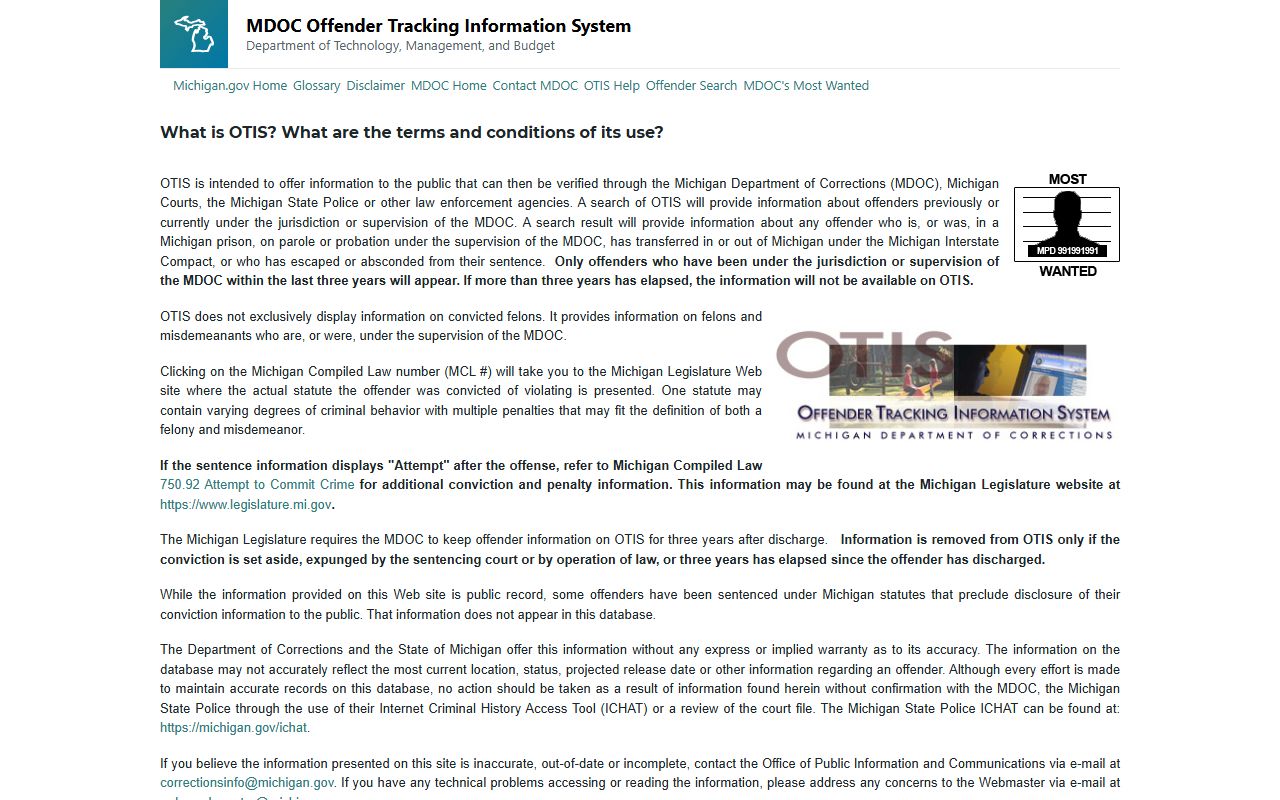
For general OTIS questions, reach MDOC at correctionsinfo@michigan.gov. If you hit a tech issue on the site, email mdocwebmaster@michigan.gov instead.
ICHAT Criminal History Checks
ICHAT is the Internet Criminal History Access Tool. The Michigan State Police Criminal Justice Information Center maintains it. Unlike OTIS, ICHAT costs $10 per search and that fee is not refundable even if the search turns up nothing. But ICHAT covers more ground than OTIS. It shows all felonies, serious misdemeanors punishable by over 93 days, and conviction records tied to a person's name and date of birth.
To run an ICHAT search, you need the person's full legal name and date of birth at minimum. A Social Security number helps narrow results but is not required. Keep in mind that ICHAT does not show suppressed records, active warrants, federal cases, tribal records, traffic offenses, or juvenile cases. It also will not pull booking reports from other states. For a complete picture, you may need to check multiple sources. Michigan law under MCL 750.491 declares all official books, papers, and records created by state agencies to be public property that belongs to the people of Michigan.
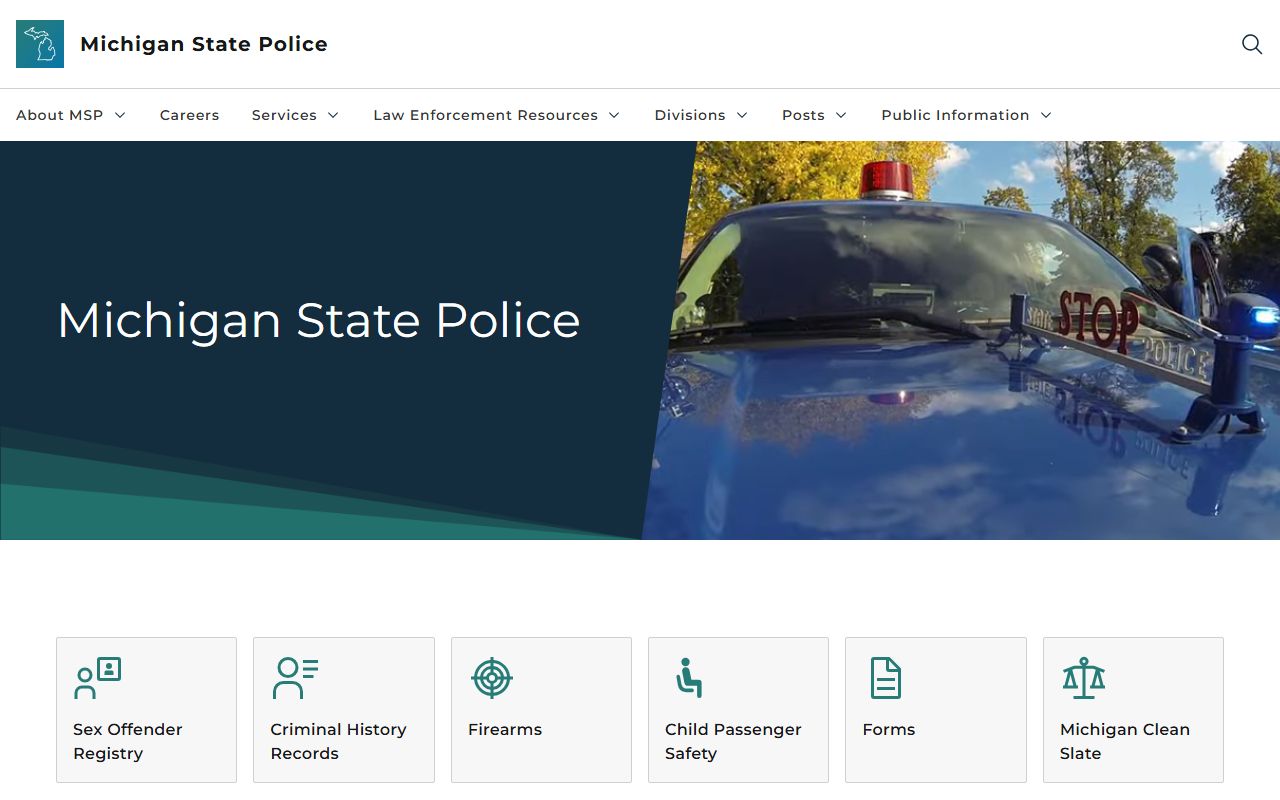
Call the Michigan State Police Central Records Division at (517) 241-0606 if you have questions about what ICHAT includes or need help with a search.
Accessing Booking Reports in Michigan
The Michigan Freedom of Information Act governs access to booking reports. This law sits at MCL 15.231 through 15.246. It gives any person the right to request public records from a government office. You do not have to say why you want the records. Corporations, organizations, and regular people can all file FOIA requests. The one exception is that people currently locked up in a state or county facility cannot use FOIA to get records while they are in custody.
When you file a FOIA request, the public body has five business days to respond. If they miss that deadline, it can count as a final denial under certain conditions. The law lets agencies charge fees for searching and copying records. But the first $20 is waived for people on public assistance or those who can prove they cannot pay, and that break applies to up to two requests per year. Courts have made clear that booking photos are public records in Michigan. The 1987 case Detroit Free Press v. Oakland County Sheriff set that standard. Agencies cannot hide behind the privacy exemption to block release of booking photographs for anyone who has been arrested or formally charged with a crime. If a public body willfully refuses to comply with FOIA, they face civil fines between $2,500 and $7,500 per occurrence.
You can look up the full text of FOIA and related statutes at the Michigan Legislature website. Search for the MCL section number to find the exact language that applies to your records request.
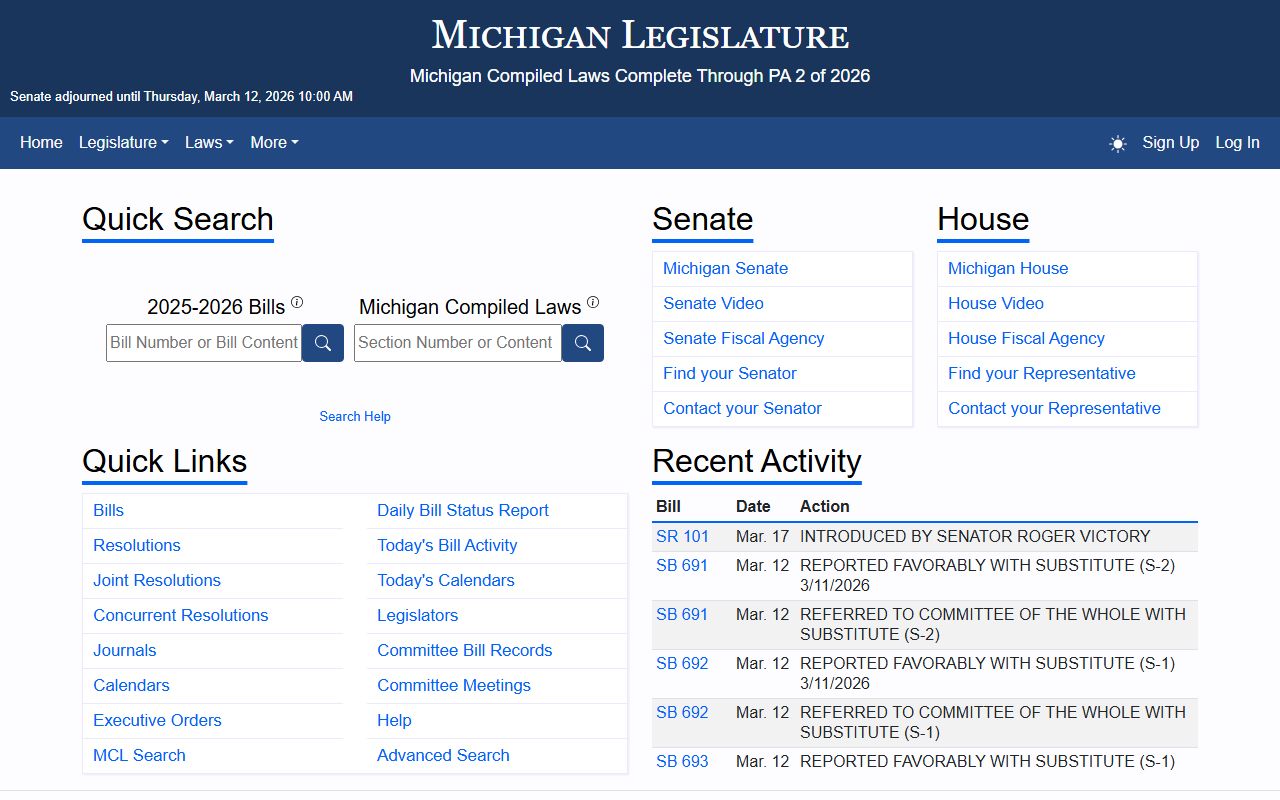
Note: Under MCL 750.492, any records custodian who fails to provide at least four hours of daily public access for inspection faces misdemeanor charges and up to one year in jail.
Michigan Sex Offender Registry
The Public Sex Offender Registry tracks people convicted of sex crimes under Michigan's Sex Offenders Registration Act, found at MCL 28.721. You can search by name, registration number, address, zip code, city, or county. The registry at mspsor.com also shows full lists of all published offenders, incarcerated offenders, and those who are non-compliant. Each listing includes the person's name, photo, date of birth, home address, offense details, vehicle info, and registration dates.
SORA first took effect in 1994. Records were kept private at that time. Limited public access came in 1997, and the internet registry launched in 1999. The federal Adam Walsh Act in 2006 brought more changes to how Michigan handles sex offender registration.
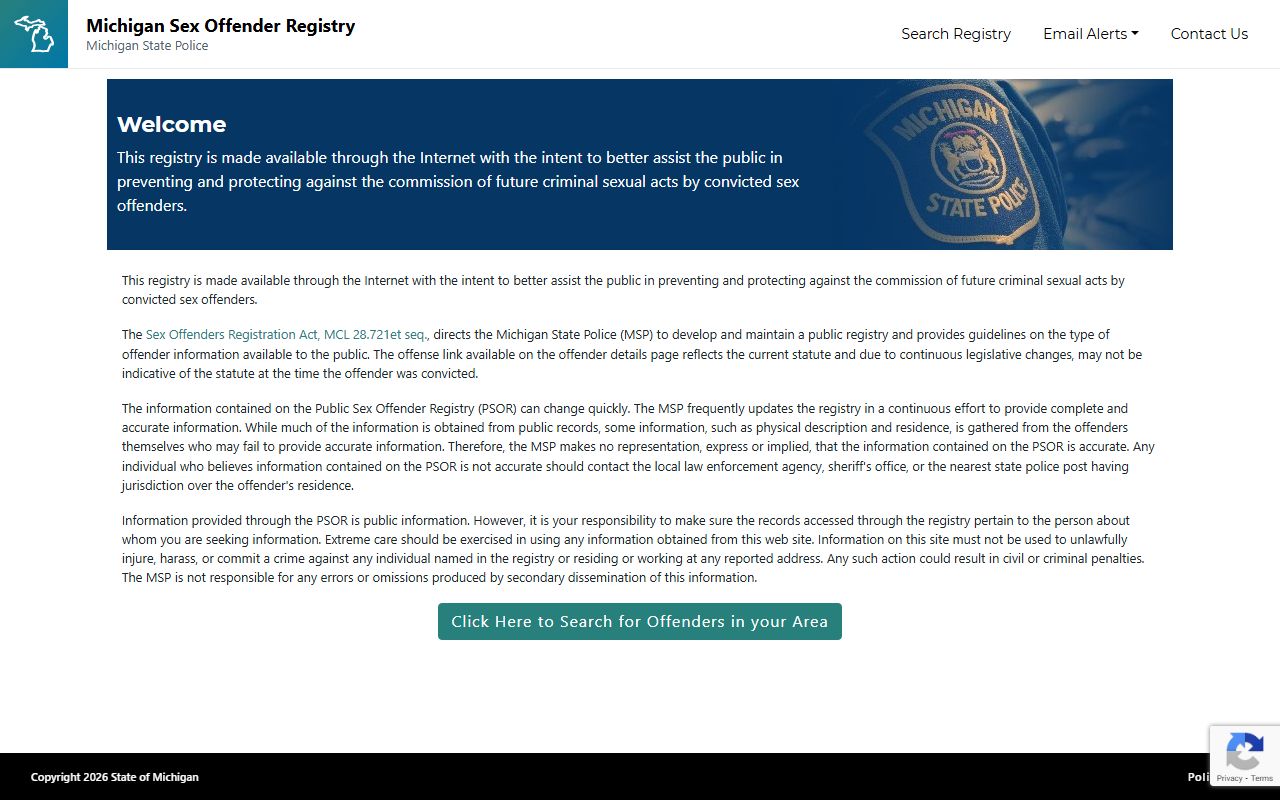
Call 517-241-1806 for questions about the registry or to report a non-compliant offender in your area.
MI-VINE and Booking Reports
MI-VINE is a free notification service that tracks custody status changes in real time. It runs around the clock. You can sign up to get alerts by phone, email, or text when something changes with a specific case. Over 81 county sheriff offices and 72 prosecutor offices participate in the MI-VINE system. It also covers all Michigan Department of Corrections facilities and the Attorney General's office.
This tool works well alongside booking report searches. MI-VINE sends alerts for releases, facility transfers, escapes, and upcoming court hearings. You can check someone's current custody status at any time through the VINELink portal online.
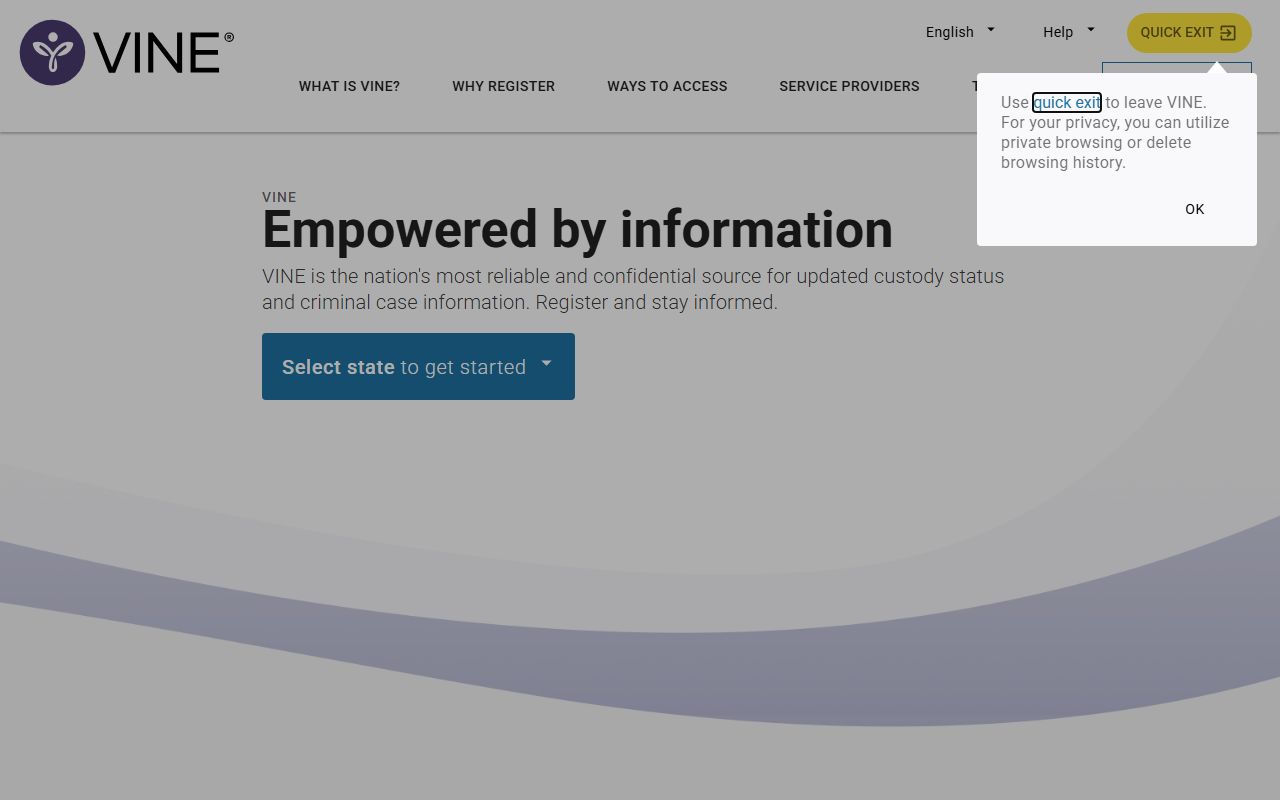
The MI-VINE toll-free number is 800-770-7657. You can call that line to register for alerts or check on a case without going online.
Michigan Courts and Case Records
The Michigan Courts website is the main hub for court records across the state. District courts handle misdemeanor arraignments and lesser charges. Circuit courts take felony cases and more serious matters. Each court keeps its own files of dockets, dispositions, and case records. A booking report starts at the jail during intake, but the court file tells the rest of the story from arraignment through sentencing.
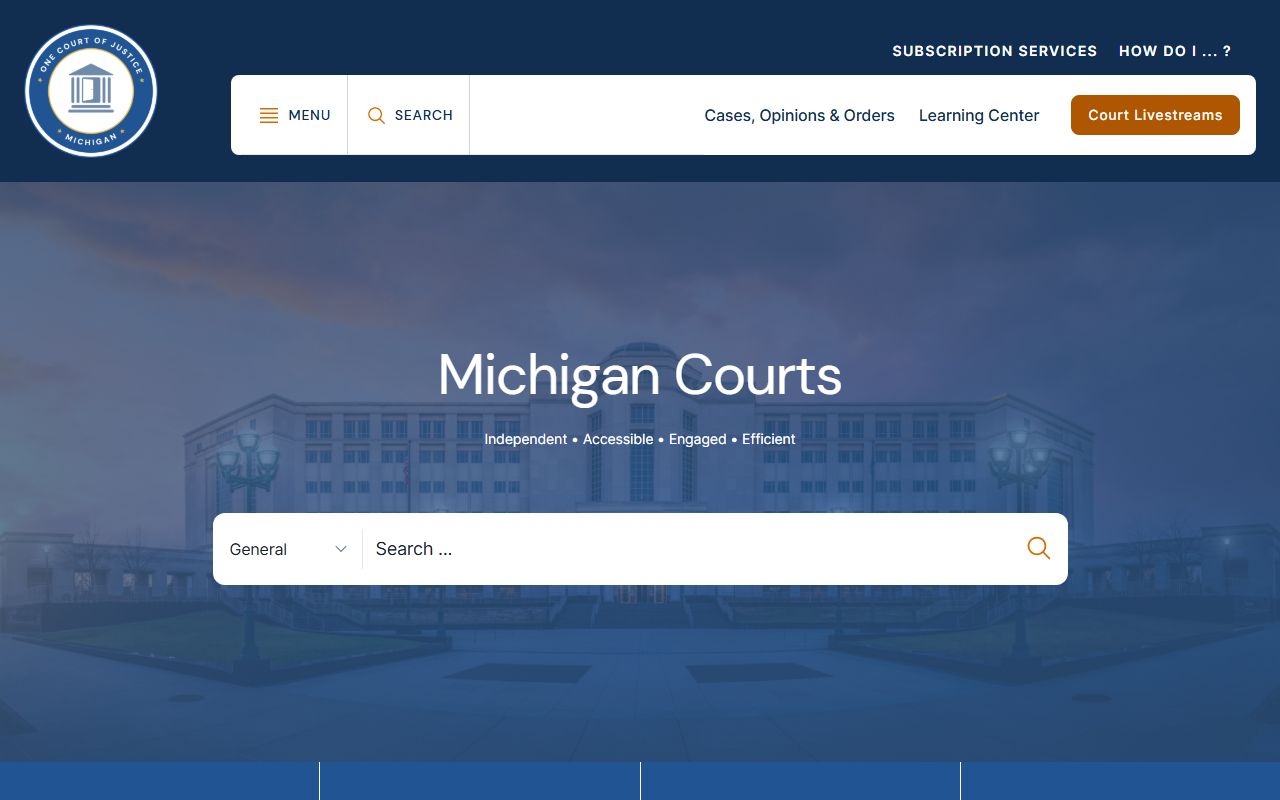
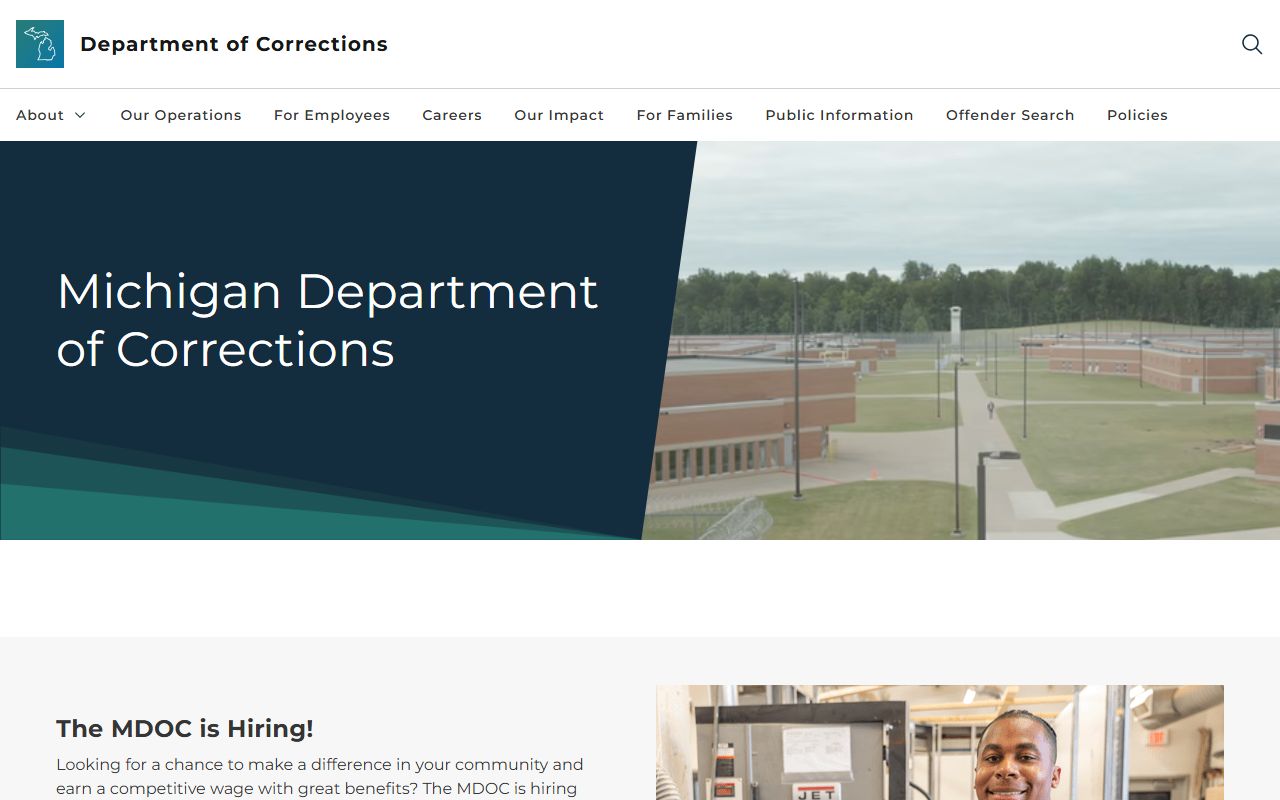
The Michigan Department of Corrections keeps records for anyone sentenced to state prison. Their site has facility details, parole data, and direct links to OTIS. If you need court-level booking reports or case outcomes, start with the circuit court or district court in the county where the arrest happened.
Note: District courts handle misdemeanor bookings while circuit courts process felony cases, so check the right court level for the type of charge you are looking up.
Clean Slate in Michigan
Michigan's Clean Slate program allows some people to clear older convictions from their record. When a conviction gets expunged, the booking report tied to that arrest may also get sealed from public view. Not all crimes qualify for this. The program targets older offenses and less serious charges. Recent changes to the law expanded the number of conviction types that are eligible.
If you run a search for booking reports and come up empty, it could mean the record was expunged through Clean Slate. It might also mean the arrest never led to a formal conviction. Or it could just be a data entry lag. Always follow up with the county sheriff's office or the court clerk for the most current and complete information on any case.
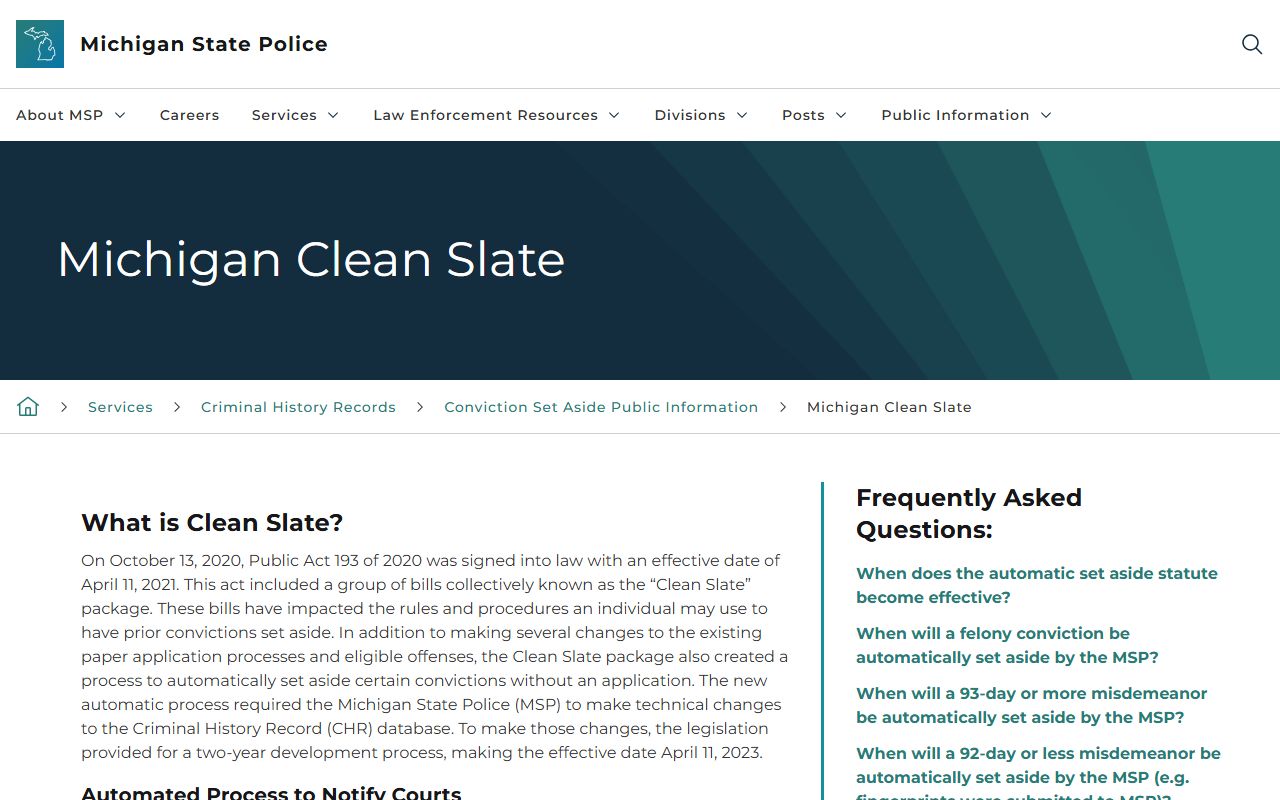
The Clean Slate initiative has helped thousands of Michigan residents move past old records that no longer reflect who they are today.
County Jail Booking Reports
Each of Michigan's 83 counties runs its own jail through the local sheriff's office. County jails hold people waiting for trial, those serving short sentences under one year, and inmates awaiting transfer to state prison. Booking reports get created at intake. They include the person's name, charges, arrest date, booking number, and housing assignment. Most counties let you search for current inmates online or by calling the jail directly.
Some bigger counties have solid online search tools. Wayne County's inmate inquiry page lets you search by name, booking number, or date range. Kent County's web jail viewer shows physical info, criminal charges, and housing details for current inmates. Macomb County's sheriff page has an inmate locator with bond amounts and next court dates. Smaller or more rural counties may require a phone call or in-person visit to the sheriff's office. Many counties across the state also use platforms like Sheriff Connect to post booking data online where the public can access it.
Browse Michigan Booking Reports
Every county in Michigan has a sheriff's office that keeps booking reports. Pick a county below to find local contact info, jail details, and search tools for booking records in that area.
Major Michigan Cities
City police make arrests, but booking reports are kept at the county jail. Pick a city below to learn which county processes booking reports for that area.